
Last updated May 12, 2026
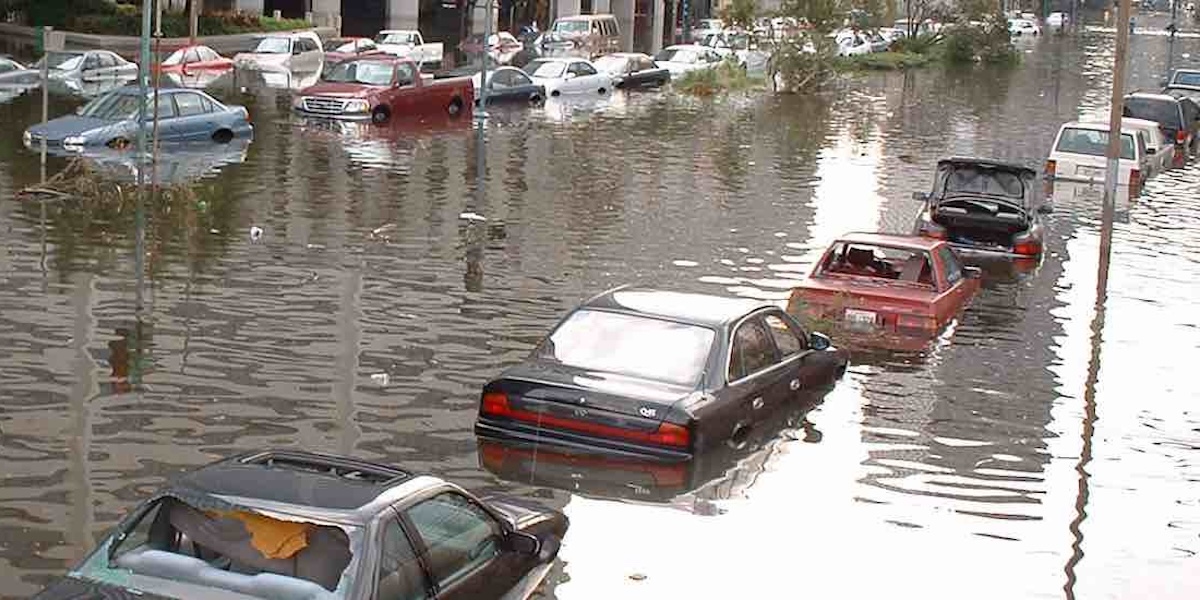
This strategic relocation program enables homeowners to escape repeated flooding and start fresh in a safer area.
What's best? Rebuilding in flood-prone areas or relocating people to safer areas? Let's discuss this.
Why stay in an area where people continuously lose their properties because of storms? They rebuild, but then they have additional losses when their homes get destroyed again years later.
It's best to avoid areas prone to flooding. The cost of relocating would be a one-time expense rather than continually funding disaster relief to rebuild. And the homeowners would have a more stable life.
A strategic relocation plan can be a feasible solution for homeowners and the environment.
Every time a disaster strikes, life is disrupted, and lives are lost. Why do people want to put up with this? I realize there are several reasons:
I do recognize the importance of both of these reasons. However, the fact remains that they suffer each time a storm destroys their homes and livelihoods.
People should not rebuild in areas that are below sea level. The government should not allow rebuilding homes in those areas once they are wiped out by storm flooding.
Some new homeowners are clueless. They purchase properties that were once damaged by storms. They end up dealing with the same catastrophes because they didn't know the situation when they moved in.1
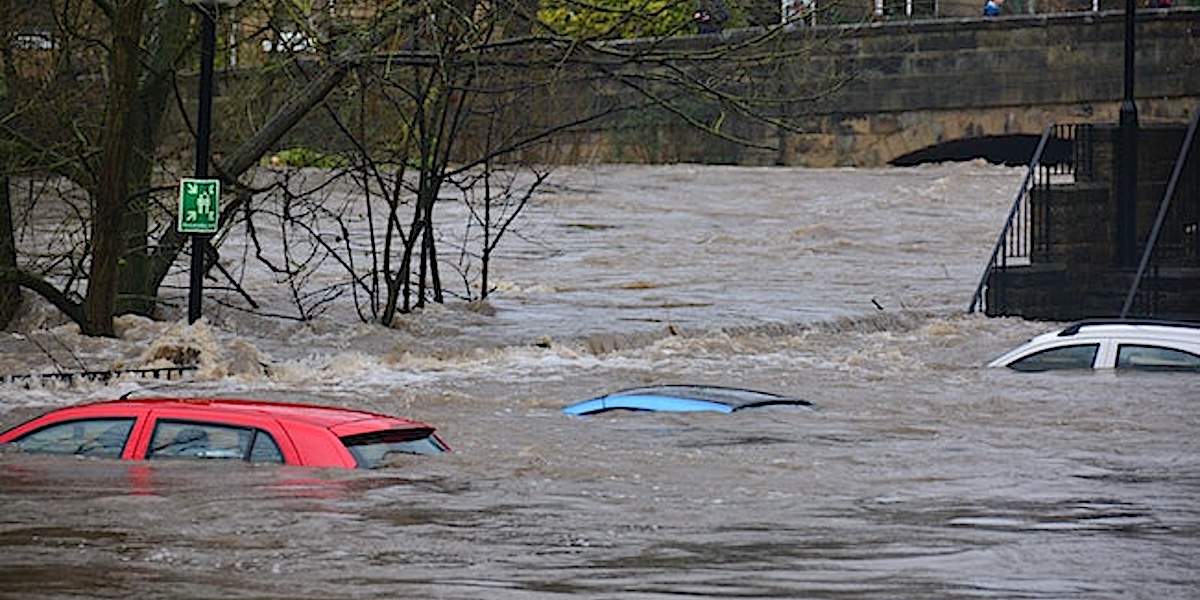
After Hurricane Katrina caused flooding damage in Gulfport, Mississippi, and New Orleans, Louisiana, in 2005, people rebuilt anyway. Homeowners also rebuilt in the low-lying areas of Austin, Texas, after Hurricane Jose struck in 2017.
The National Flood Insurance Program (NFIP) is designed to settle the loss by rebuilding. However, it would be cheaper and more cost-effective to help people move to safer areas.2
This situation repeats after every major storm at a high cost to taxpayers for rebuilding in flood zones. When you consider the insurance being paid over and over for damages, it’s clear how those resources could have been better spent relocating entire communities, instead of repeating a cycle of suffering from floods.
The following table shows the payments made from 2005 to 2016 for damages caused by severe storms in those years.3
| Date | Storm | Insurance Paid |
|---|---|---|
| August 2005 | Hurricane Katrina | $16,319,693,811 |
| September 2008 | Hurricane Ike | $2,698,943,618 |
| August 2011 | Hurricane Irene | $1,343,016,957 |
| August 2012 | Tropical Storm Isaac | $556,845,352 |
| October 2012 | Superstorm Sandy | $8,544,480,946 |
| August 2016 | Louisiana Severe Storms and Flooding | $2,363,749,364 |
| October 2016 | Hurricane Matthew | $589,490,594 |
It's pointless to spend money on rebuilding in areas where new homes can eventually be destroyed. It's an ongoing waste of resources.
If the same money were spent in new areas, homeowners could achieve growth while reducing the fear of storm damage.
This endeavor can help improve run-down neighborhoods with three positive results:
In the long run, it would be advantageous for the economy if the government were to purchase property in new locations and give it to the people in return for their property destroyed in a flood zone.
Imagine if they did that for the people in Gulfport, Mississippi, and New Orleans, Louisiana, when Hurricane Katrina destroyed their homes in 2005.
The government could also provide tax credits to relocated businesses that create jobs. Those tax credits return a benefit to local counties, due to additional real estate tax revenue and income tax from local employment.
Insurance companies would also save in the long run because they would no longer have repeated losses. It would benefit them to apply the payments for insured damages to rebuilding in the new location instead.
The damaged location could be converted into a wildlife refuge with funding from the federal government.
That is a one-time investment since there is no concern for damage from future storms.
Imagine if the government were to take damaged homes out of the hands of the people and relocate them to other areas, then turn the flood-prone neighborhoods into a wildlife refuge.
The idea is to have the government relocate people who continuously lose property in floodplains. They would move these people to new locations where they can have an enjoyable and safe life.
If one wishes to claim land the government is giving away, they would need to agree to construct a home or rehab an existing one. They also have to acquire building permits and live in the house for a minimum required period—usually three years.
That sounds like a lot of rules, but people deal with similar nuisances after their homes are destroyed in a flood zone. They still need to reconstruct a new home or rehab another. And they would still have to pass endless required inspections.
So it makes no difference where they apply their effort. It might as well be in a location less likely to experience future weather-related damage.
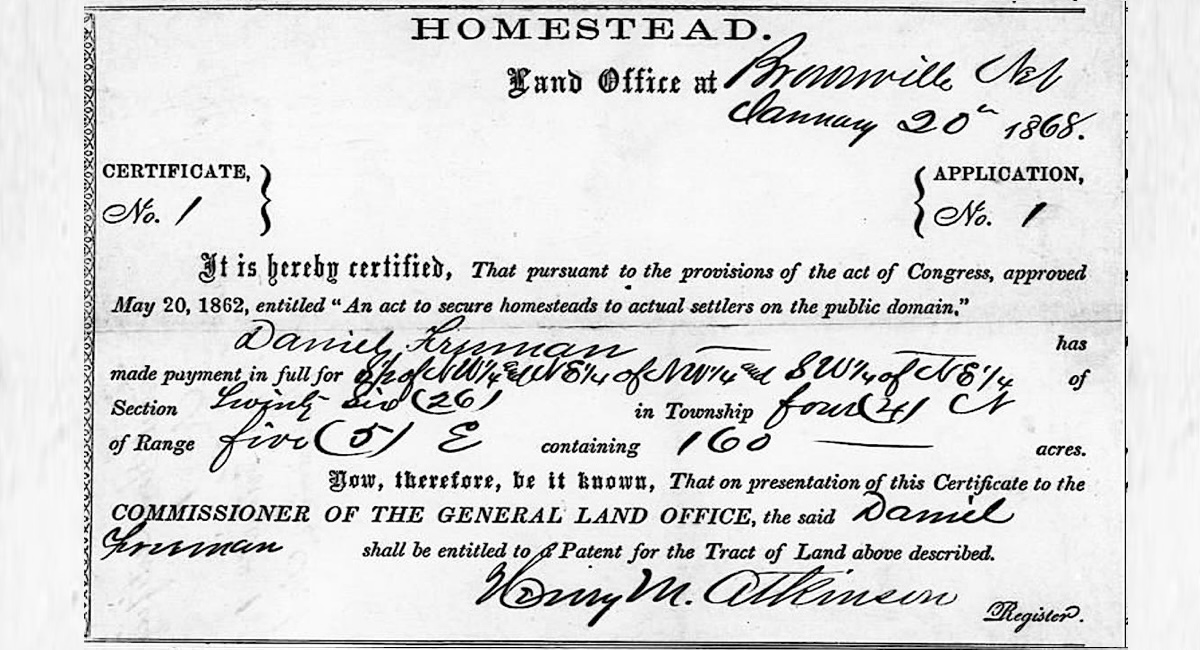
The process I just described can be achieved by a method enacted in the Homestead Act.
The Homestead Act was enacted in 1862 by Abraham Lincoln. It states that the government would assign land to citizens in return for maintaining it and living on it.4
Homesteading has continued in remote parts of Alaska until 1986, but the locations involved are so remote that you need a dog sled to get to those places.
Beatrice, a small city in Nebraska, also offered free land in 2010, based on the Homestead Act, to increase its tax rolls. However, this was flood-prone land and should never have been developed.
Besides those challenges, it can be implemented to relocate people more productively with the right approach.
There are communities scattered all around the United States that are economically depressed, such as Detroit, Michigan.
One can purchase a three-bedroom home for $5,000 in Detroit, but you wouldn't want to live there under the present conditions. These homes must be either renovated or torn down, and crime is rampant.
However, the government can rejuvenate areas like this quickly by moving entire neighborhoods all at once. They would become safe and secure communities once people live there and are actively enjoying social activities.
Also, if entire neighborhoods relocate as a group, people can end up with the same neighbors if they wish.
An article published in 2019 by the NOAA Office for Coastal Management about a plan to avoid flood losses. It shows a real-life example of implementing this idea.6
It was implemented in Kinston, a city of about 20,000 residents in Lenoir County, North Carolina. Kinston's government purchased flood-prone properties and relocated residents to higher ground. They kept the neighborhood social structure intact.
I'm glad to see others have considered this type of solution. It's proven to work.

The FEMA Flood Insurance Rate Map (FIRM) is primarily used to determine if flood insurance is required. But it's useful for anyone who wants to research flood risks in their community.
A form is available on the Flood Advocates website to order a detailed Flood Zone Report compiled by a FEMA Map Analyst.5
There is definitely more to consider. Unfortunately, there are many factors involved. Hurricane Katrina affected 90,000 square miles. Hundreds of thousands of people lost their homes.
Relocating all the counties that experienced damage would affect the cultural and economic aspects of a state. If these states were converted into wildlife refuges, then there would be no economy, government, income, or anything that every state depends on.
Local governments may not agree to such a plan. It would completely restructure their government and voter rolls. Therefore, it would have to involve a more proactive statute introduced by the country as a whole.
None of these things is easy. If nothing else, it would have to be done on a very controlled basis with proper planning and execution.
As I discussed, this strategy offers the chance for a better life, rebuild run-down communities, and provide new jobs.
The increased tax revenue in the new location can go towards the government's purchase of the damaged property in the original floodplains to maintain it as a wildlife sanctuary.
Once the government implements this strategy, the loss of property in another flood and its financial loss will be eliminated.
Was this article helpful?