My tinnitus was bothersome when it first began. When I realized that I no longer had any quiet times, it freaked me out. I thought, "How can I go on with this constant ringing in my ears?"
I learned that focusing my mind on anything helps me live with the tinnitus. After several years, it stopped bothering me. But whenever I begin to pay attention to the ringing, it's there. It's always there. The trick is to learn to ignore it.
There are many ways to avoid paying attention to it. I could be reading in a quiet room just as well as listening to music, doing crafts, building things, taking walks, hiking, and talking with friends. It all helps to keep my mind off it.
Keep Mentally Occupied
It probably made me even more creative because I kept myself occupied mentally, focusing on other things. I do a lot of writing. I find that anything requiring deep concentration helps me keep my mind off the constant ringing.
Learn What to Avoid
Besides knowing what to do, it's also important to know what to avoid. For example, I discovered that a cheap radio with a tinny-sounding speaker would actually cause me to feel pain in my ears.
Be Patient
After a couple of years, I became accustomed to hearing the ringing sound in my head. And it doesn't even affect my hearing. That was proven by a doctor who tested my hearing.
Time heals all wounds, as the saying goes. Even though tinnitus doesn't clear up, we do get used to it. I just needed to be patient with it.
That's all we can do for now. There is no known cure at this time. If a cure is ever discovered, the American Tinnitus Association (ATA) would announce it. 1
I tried all sorts of remedies sold on the market, but I never found a cure. So my advice is to save your money, especially if the focusing tricks I mentioned above work for you.
I Kept a Journal to Detect Food Allergies
The first thing doctors recommended was keeping a journal of what I eat to determine whether any particular food affected the loudness of my tinnitus. But every time I thought I found a cause, my findings were inconsistent.
I Tried Using a White Noise Generator
White noise generators are meant to mask noise with sounds of rain, ocean waves, or random white noise. Some people swear by them. However, in my case, I gave up using anything that makes noise. They never helped much.
I Even Tried Herbal Supplements
I also tried taking Citrus Bioflavonoids and other herbal supplements that claimed to cure tinnitus. None of them worked for me.
That doesn't mean that it wouldn't work for you. I wouldn't rule anything out. It’s worth a try as long as you use supplements under a doctor's supervision.
Ever since my tinnitus began, loud noises have created pain. For that reason, I couldn't deal with going to concerts anymore. The music is played way too loudly.
When we feel pain, it's an indication that more damage is occurring. It's vital to protect yourself from loud sounds, especially if they create pain. When an ambulance or fire truck goes by with the sirens blasting, I need to cover my ears.
Some occasions just can't be avoided, so when I attend an activity with loud music, I make sure to bring earplugs.

The first thing a good doctor should do is determine what kind of tinnitus you have. If they fail to do this, find another doctor. Here are three issues that cause you to hear ringing in your ears.
1. Objective and Subjective Tinnitus
If the ringing is produced in the brain, no one else can hear it. But there is a type of tinnitus caused by some movement or vibration in the skull. That's real noise, and someone else could hear it. Another type of tinnitus is created in the brain by nerve impulses that are subject to your mind's interpretation of it.
2. Pulsatile Tinnitus
I don't have this one, but it is a rhythmic pulsing—usually in sync with the heartbeat.
If you have this type, you should get checked by a heart specialist. You might have a circulatory system dysfunction, such as a carotid artery blockage. In that case, you're actually hearing the pulsating blood running through the artery.
3. Somatic Tinnitus 2
Somatic tinnitus is physically created within the head or neck. It's not the standard type that's produced in the brain, but it covers a wide range of possibilities.
Physical structures outside the ear, such as TMJ, can cause somatic tinnitus. Bending over while working on a computer, or any activity that could’ve caused muscle spasms, can cause tinnitus.
Some people experience buzzing, whistling, static, beating sounds, or even roaring sounds. Mine is an 8 kHz squeal, something similar to the whistling of a teakettle.
I know the frequency of mine because during a hearing test, I heard every frequency until the test tone reached 8 kHz. I couldn't tell if that tone was on or off because my tinnitus was at that frequency and was "on" all the time.
Once the test frequency went above 8 kHz, I started hearing it again. So it was blocked just at the range of my tinnitus. My doctor said I was deaf at that range.
I think that was because the ringing in my ear was making the same sound. I couldn't tell the difference, and I didn't lift a finger to indicate when the doctor was creating the test tone at that frequency.
Humans can generally hear up to 22 kHz, although people over the age of 25 usually can't hear frequencies over 15kHz.
I feel like I have no problem hearing. I'm just missing the frequency correlating with my tinnitus. I hear human speech just fine, since it is at a lower frequency range.
Since I am a tinnitus sufferer, I went to many doctors when it first started bothering me. Unfortunately, each specialist told me something different, and I never found anyone who knew much about it.
They all said they could cure it, but none ever understood what was happening. Some of them made mistakes with tests, and some became belligerent when I asked knowledgeable questions that they knew nothing about.
Many doctors claim to understand it, but know very little, and in my experience, they end up wasting everyone's time and money.
I learned that it's essential to do your due diligence when finding a doctor. I made the mistake of trusting my primary physician's recommendation. He didn't know anything about tinnitus himself, so how could he suggest the right specialist?
An honest doctor would admit this wasn't their specialty. They shouldn't accept patients with ailments they have not studied. There are many possible causes for tinnitus, ranging from otologic disorders to noise-induced hearing loss.
Here are three examples of mistakes my doctors made:
1. My ENT Doctor Did an Incorrect CT Scan
An ENT doctor who examined me did a CT scan to check if anything showed up.
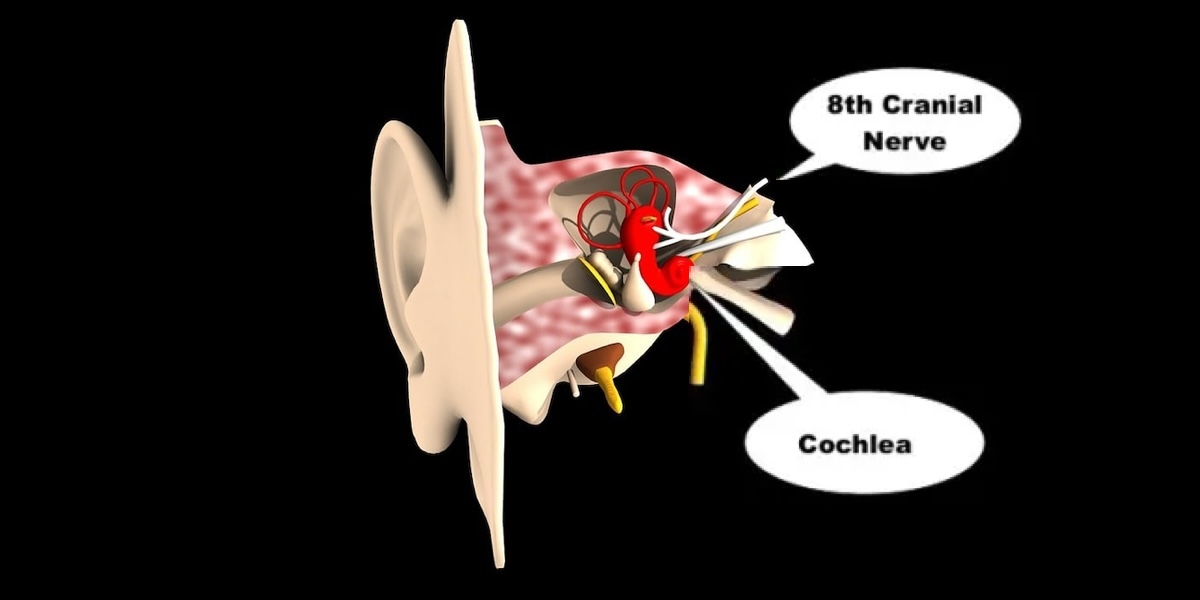
I asked him how my 8th cranial nerve looked. Throwing his hands in the air in anger, he yelled, "That's the problem with patients knowing too much!"
That's the auditory nerve, and he should have scanned for it. Another quake doctor!
A good doctor should not feel threatened when asked intelligent questions. I consider it a red flag if a doctor becomes defensive when a patient knows anatomy.
As it turned out, he never did the correct CT scan. He did not visualize the auditory nerve at all. That CT scan was a waste of time and resources! These doctors bill the insurance companies for useless lab work! That's really a shame!
So be careful. Check out whoever you see. It may help to call your insurance company and ask about any tinnitus-related problems reported with doctors you plan to use.
2. I went to an Audiologist Who Knew Nothing About Tinnitus
I had an audiologist give me a hearing test. I passed. He couldn't understand why I didn't have hearing loss.
He gave me a hearing test with earbuds in my ears. I had to lift a finger to indicate when I heard a sound.
I wondered if he could tell if my tinnitus was a sound he could hear, or only in my mind. So, after the test, I asked him if it was subjective or objective. (I described subjective and objective tinnitus in the previous section above.)
He didn't understand my question, so I clarified by asking if the earbuds had microphones so he could determine if the sound was physically in my ears.
If he could hear the sound that I was hearing, then it's objective. He got even more confused when I tried to explain that to him. Then he admitted he never tested for it. That surprised me because he was considered a professional audiologist.
Knowing the difference is essential, and any doctor who doesn't know that is a quack. It indicates if the tinnitus is a real sound in the ear that the doctor can hear with an instrument (objective) or if the brain imagines it and only the sufferer can hear it (subjective). 3
The test he performed was a total waste of time. A doctor must confirm the difference because objective tinnitus could indicate a serious condition—a vascular disorder with the carotid or vertebrobasilar system.4
I found out later that mine was subjective—only I could hear it. In other words, it wasn't a sound in my ears. It was a sound rendered in my brain!
3. An Example of a Surgeon Making a Disastrous Mistake
Luckily, this was not my doctor.
I used to attend a local tinnitus support group held by the American Tinnitus Association. Everyone shared their experiences with the group.
One member told us about her terrible experience with a doctor who offered to do surgery to eliminate her ringing. She only had it in one ear, so her doctor said he could sever the auditory nerve in that ear. He reasoned that she would still have the other good ear, and her tinnitus would be cured.
It was so devastating for her that she went ahead with the surgery. Afterward, she was deaf in the operated ear, as expected, but she still heard the ringing! What a waste!
Surgery could be necessary to treat the underlying causes of tinnitus, such as a tumor. However, as this woman discovered, doctors can't stop it by cutting the auditory nerve.

One idea professionals have about certain forms of tinnitus is that it's a malfunction of the brain, specifically the auditory functions. Therefore, another possible cause could be auditory brain cells that are firing abnormally.
New research might be close to finding a cure for this form of tinnitus. In a clinical trial at the University of Minnesota, a device was designed to help rewire brain circuits to reduce tinnitus symptoms.
The device known as bimodal neuromodulation combines sounds with electric zaps to the tongue to find and shut down the tinnitus cells in the brain's auditory circuits.5
Give yourself credit for knowing your body, and find a doctor interested in analyzing the problem. If you have a clue about what might be causing your tinnitus, discuss it with your doctor. If he or she doesn't want to listen, look for another doctor.
I've been frustrated with the doctors who claim to understand the condition, but don't know how to do anything about it. So basically, we are on our own when it comes to self-treatment when dealing with tinnitus.
I am sure some doctors have integrity and desire to make a difference for patients, rather than pretend they know something. We need to be diligent with researching the background and patient reviews when selecting doctors.
Was this meaningful to you? Tap