
Your old car can last many rewarding years when you take care of it properly. See these crucial tricks.

I’ll tell you how I kept my 20-year-old car running as good as new and how it could last me an additional 100,000 miles.
Treating your old car well with proper maintenance will lead to rewarding long-term ownership, saving you the expense of buying a new vehicle sooner than required.
Your car's user manual includes a recommended maintenance schedule. It’s helpful to follow the manufacturer's recommendations. It helps to prolong the use of your vehicle.
Here is a car maintenance checklist:
I have well over 100,000 miles already on my car. In the next section, I'll explain what I did to be sure I'd get another 100,000 miles out of it.
The timing belt or chain connects the crankshaft to the camshaft. It controls the timing of the valves in an internal combustion engine.
There are two types of engines:
Check out your owner’s manual to see which type of engine you have. If you have an interference engine and have reached 100,000 miles, you should get the timing belt replaced before it breaks.
If you don't have an interference engine, you still should get the belt changed. You wouldn’t want it breaking while you’re driving. You’d need the car towed to a shop where the belt can be replaced.
If you have a Non-Interference Engine, at least you can be secure that you won’t have a damaged engine. But it would still be a nuisance to have the car towed at some inconvenient time.
Since I have an Interference Engine, I knew it was time to replace my timing belt. I didn’t want to take chances with blowing my engine.
You can save on future labor costs by having several things done at the same time as the timing belt is changed. I asked the mechanic to do all the following in one session:
That will save money in the long run. Since the mechanic has to remove all the belts anyway to get to the timing belt, there is no extra labor charge for putting on new belts.
One of them may be nearly ready to break someday, and they are not expensive if done along with the rest of the job.
If I needed the belt that powers the AC compressor replaced later on, I'd have to pay for the labor again. Therefore, I may as well have all new belts now.
The same logic goes for the water pump. It would be costly to change the water pump if it ever broke. But while the belts are being replaced anyway, there’s no extra labor cost.
Finally, there's no extra charge to flush the cooling system along with the water pump replacement. It's only logical to have the cooling system flushed since they have to drain it to change the pump, anyway. So, it’s a no-brainer that they won’t alert you to consider.
Simple things you can do yourself will not only improve your car's performance, but will also help avoid failing your annual inspection. Some of these things need to be in good condition to pass inspection in most states.
Once a year, fill up with a full tank of high-octane gas. That will clean out the gunk from the pistons and the catalytic converter.
These are two of the costliest things to repair and replace. Keeping the pistons and catalytic converter free of buildup will help keep your car running more efficiently and avoid future repair costs.
Why does this work? After all, high-octane does not burn hotter. It works because higher octane gasoline usually has more additives and better detergents that may help clean out buildup.
I personally have proof that this works. My check engine light came on many years ago. My mechanic said it was my catalytic converter, and it would cost $900 to replace. Today, that cost could be over $1,000.
I picked up a
low-cost diagnostic scanner  to read the check-engine diagnostic codes in the car's computer. I saw that he was telling me the truth. It was code P0420, referring to the catalytic converter.
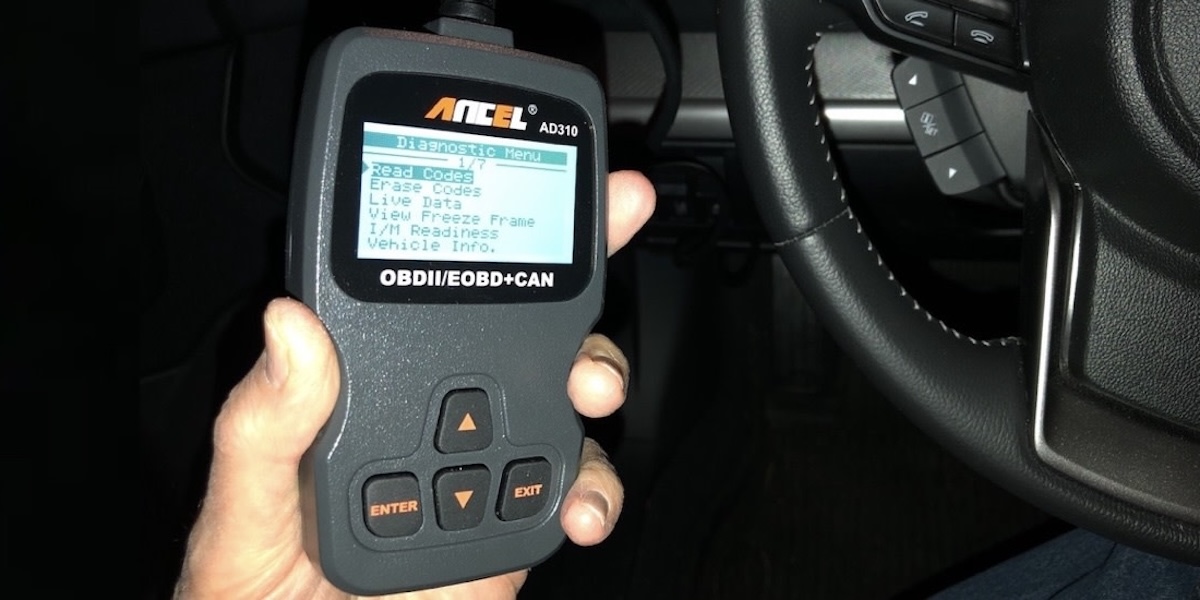
However, instead of having the catalytic converter replaced, I filled up with a full tank of high-octane gas.
The check engine light never came back on after resetting it. And it's already been seven years since then, with no problems. Of course, the catalytic converter may indeed be damaged. The check engine light would come back on in that case.
If the problem is a dirty catalytic converter, this method has worked for many people I know. Driving with one tank of high-octane gas has already helped me and several of my friends avoid needing to replace the catalytic converter.
Some cars have two catalytic converters, one on each side of the engine, known as bank 1 and bank 2.
These function better because they heat up faster due to being close to the engine. The catalytic converter only functions efficiently when it reaches a certain temperature.
There are two oxygen sensors for each catalytic converter, one before and one after. Two sensors are needed to compare if the proper air/fuel ratio is not achieved.
The sensor before (upstream of) the catalytic converter detects the air/fuel ratio in the exhaust, and the one after (downstream) detects the efficiency of the catalytic converter. Some vehicles have two converters, so you'd have four sensors in that case.
The power-train control module (PCM) compares the readings taken before and after each catalytic converter to determine if they’re functioning efficiently.
A P0420 diagnostic code (or P0430 for bank 2) will be set in the PCM if the efficiency is not within normal limits. But many other things can cause these errors, too. Such as:
It would help to rule these things out before spending money on an expensive catalytic converter replacement.
Water in the gasoline is easy to determine. If you always buy your gas from the same station, try switching brands before spending money on a new catalytic converter.
The error code might clear after a while, and the check engine light will reset automatically.
Better yet, drive with a tank full of high-octane gas. That might clear things up since some high-octane fuels contain more detergents.
That worked for me. I got ten more years out of my car without having to buy a new catalytic converter.
Not many people know that the passenger cabin of many cars has an air filter. That gets dirty after several years and should be replaced.
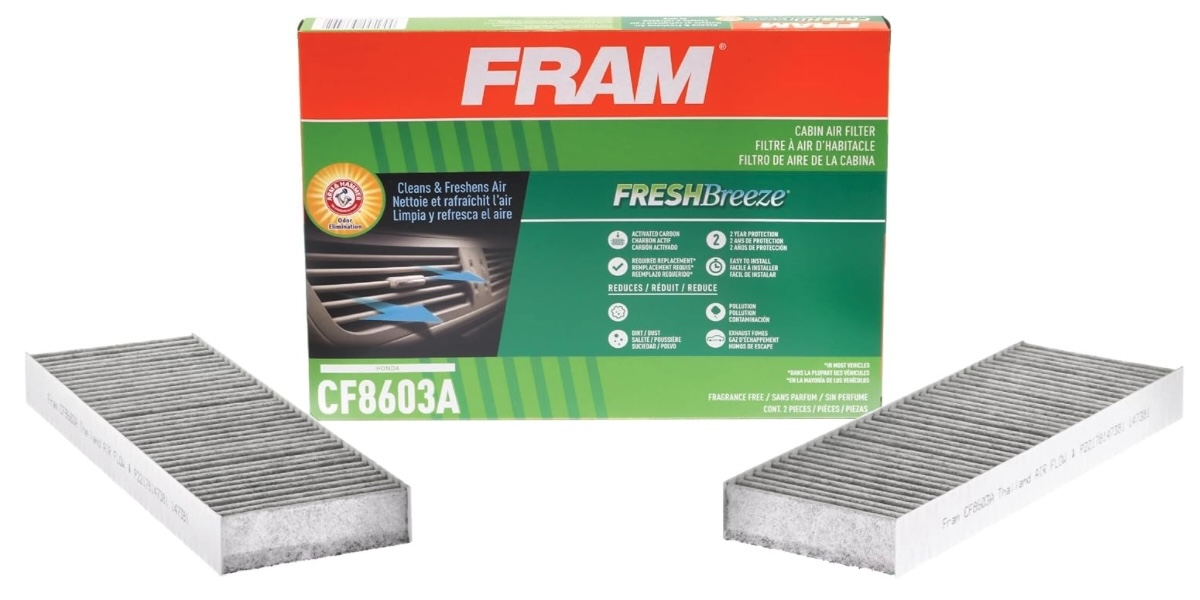
You can find replacement cabin air filters that are even better than the standard ones installed in new cars. Some car manufacturers provide paper filters as a standard, but I suggest getting carbon filters when you replace them. I bought a
FRAM Cabin Air Filter Replacement and installed it myself. A lot less costly than having it done in the shop.
Replacing the cabin filter is a little tedious, but it's a job you can do yourself. With some cars, there are many screws and snaps to remove to get to the filter.
I did a Google search to find a YouTube video showing how to change the cabin filter in my car. You can find a "do-it-yourself" video for just about any make of vehicle. Just do a Google search for "YouTube changing cabin air filter" and include your make of car.
Pick up the correct replacement filter for your particular car at any local auto parts store. You can also find the right one for your vehicle on Amazon. Then follow the YouTube video instructions that you found with your search.
It took me an hour. I even had to go back and view the video a second time while I was doing it.
Besides the screws, my car had many snaps that hold the dashboard in place, but every vehicle is different. I had to pull hard after removing the screws to get the dash dislodged from the snaps.
When I put it all back together, I forgot to replace a brace that goes across under the dash. I had to undo it all again to put the brace back in.
Therefore, I suggest you pay close attention to a video showing how it’s done with your car. Remember to do a Google search for a YouTube video on the subject. Watch it a few times before you start. It’ll be a time-saver for sure.
In my case, the filters were not that dirty. I guess that's because I always have it set to "recycle" my cabin air. I prefer to do that rather than blowing in air from outside, which sucks in the fumes from other vehicles.
After I changed the cabin filter, I discovered I could leave the internal air recycle off since getting fresh air from the outside is better now with a new filter.
I no longer smell the street fumes. The new filters I put in are carbon filters. Carbon is definitely much better than the old paper filters that came with the car.
By the way, I had to replace two filters. Some cars only have one, so check your car's user manual before you buy new ones.
Nothing prevents you from putting the filters in backward. I made that mistake. So I paid close attention to the arrows showing the airflow direction when I did it a second time.
Body scratches tend to appear almost by magic. People brush up against your car in parking lots. People open doors next to you and hit your vehicle.
Even the weather affects it. There are contaminants in the air that put blemishes on your car's surface.
Over time, these blemishes and scratches grow more prominent. They can even rust. It's crucial to stop this from happening. One way is to use nail polish, but this shows up when viewed at an angle.
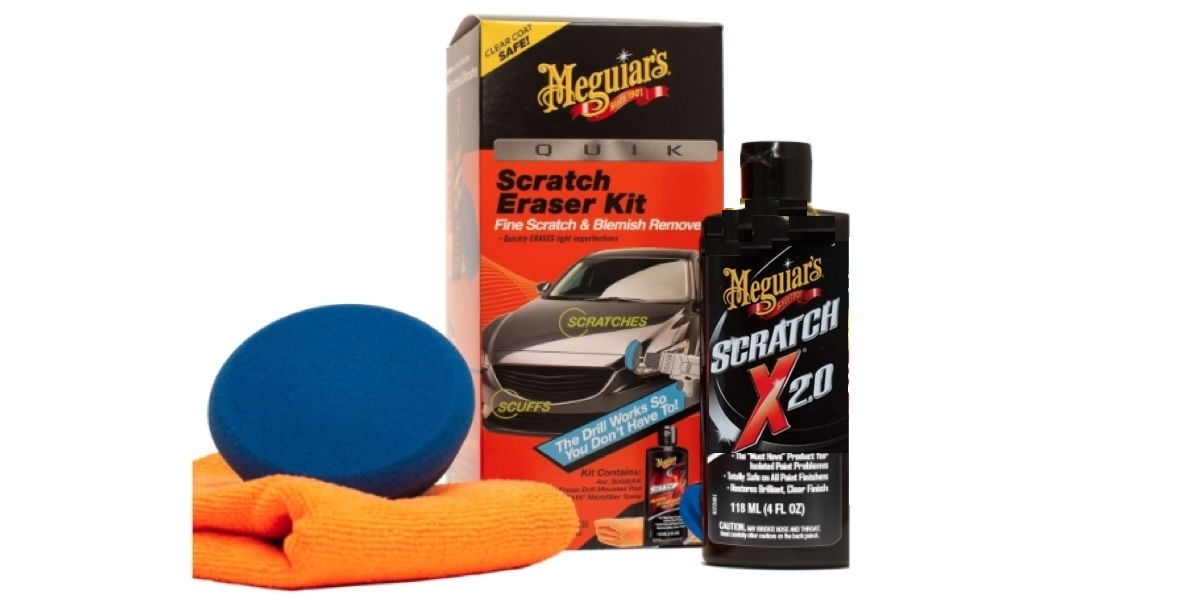
I found that Meguiar's makes a
Scratch Remover Kit that includes all the items you need to remove scratches and blemishes. It includes a drill pad for quick application.
It works well and keeps the outside looking clean and fresh. You can find it at your local vehicle parts store or on Amazon.
Few people realize that the quick starts and hard braking put tremendous stress on the car, especially the suspension and drivetrain. Taking it easy on the gas and the brake will add many additional years of satisfaction with your car’s performance.
Instead of buying a new car, you can properly care for your old vehicle to give you many more rewarding years of use.
Keep the money in the bank or make a meaningful investment that will grow while you enjoy many more years of value from your present car.
Was this meaningful to you? Tap