
Published April 23, 2026
This article explores the remarkable variety of childbirth and reproductive strategies across the animal kingdom. Discover how how evolution has shaped radically different solutions to the basic challenge of bringing new life into the world.
Unlike other animals, human babies are born relatively underdeveloped and require prolonged care. We can’t even walk or hold our heads up when we’re first born.
Labor can be painful, complex, and often requires assistance. Scientists have determined that human childbirth is so painful because of our evolutionary development with bigger brains that lead to our cognitive development. But the narrow, convoluted birth canal hasn't kept up with the excessive size of newborns.1
That makes us very different from the other animals discussed below. So, without further ado, let’s explore the more interesting aspects of childbirth among the animal kingdom.
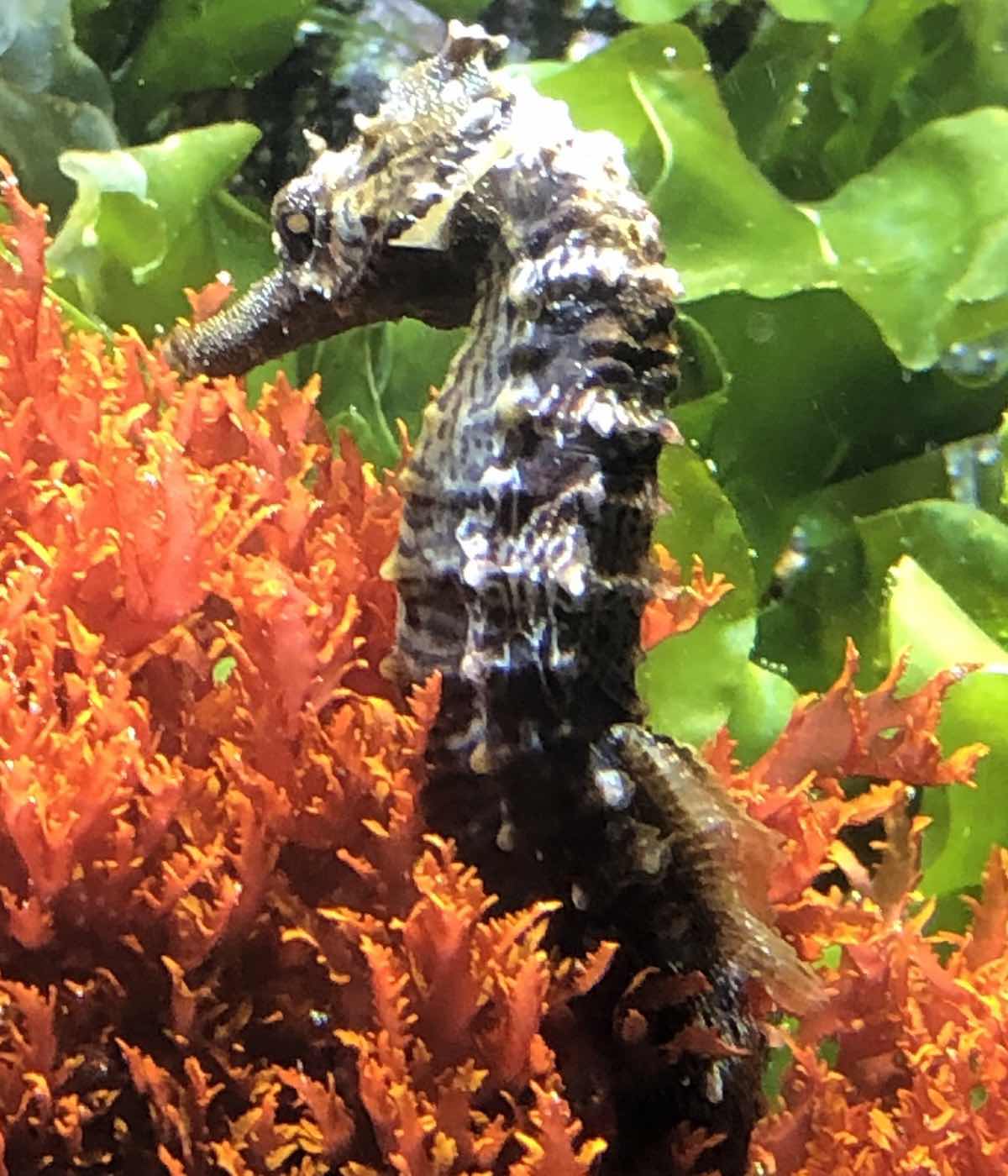
Seahorses are one of the rare cases in nature where males carry the young. After courtship, the female deposits her eggs into the male’s brood pouch. He fertilizes them internally and carries them as they develop.2
The pouch regulates their environment just like a mammalian placenta does. When the babies are fully developed, the male contracts his body, releasing dozens or even hundreds of tiny seahorses.
For octopuses, reproduction is a one-time event that defines the end of life. After mating, the female lays thousands of eggs and dedicates herself entirely to their care—cleaning, protecting, and oxygenating them for months.
She stops eating during this period, investing all her energy into safeguarding the developing offspring. She puts so much effort and attention into this task that by the time the eggs hatch, she will be dead.3
Males, too, die shortly after mating. This extreme strategy, known as semelparity, is a necessary tradeoff with all energy invested into reproduction.
Unlike humans, baby octopuses are fully capable of fending for themselves with no need for parents. In fact, they never even know them.
After a short pregnancy of 28 to 33 days, the tiny, underdeveloped baby kangaroos (known as Joeys) crawl from the birth canal into their mother’s pouch. They continue their development by safely breastfeeding in there for several months.
If a kangaroo gets pregnant again while she has a Joey feeding in her pouch, she can paralyze the growth of the new fetus for about 235 days, allowing time for the kangaroo in the pouch to grow.
This process is known as "embryonic diapause," after which time the embryo is reactivated to continue its development in the uterus since her pouch is available for the next newborn.4

Clownfish add another twist: they can change sex. And they do that to maintain the survival of the species in case females are in short supply.
The female is the dominant one, with the largest male serving as her mate. But if she dies, the male will actually transform into a female.
The male's testicles shrink, and the previously undeveloped ovarian tissue matures into functional ovaries.5
This ensures a continual reproductive process among the community, as another male moves up in rank to become her mate.
In the ant world, survival depends on cooperation rather than individual success. Reproduction is based on a strict caste system among a single queen, and millions of drones and workers.
The queen's sole function is to lay eggs—sometimes millions over her lifetime. She can live up to 30 years. After mating, she stores the sperm and uses it for years with selective fertilization to control whether she produces female workers or male drones.6
The drones are the males that mate with the queen. And they die shortly after mating.
Sterile females are the workers that perform all colony tasks, such as feeding the queen and caring for the larvae.
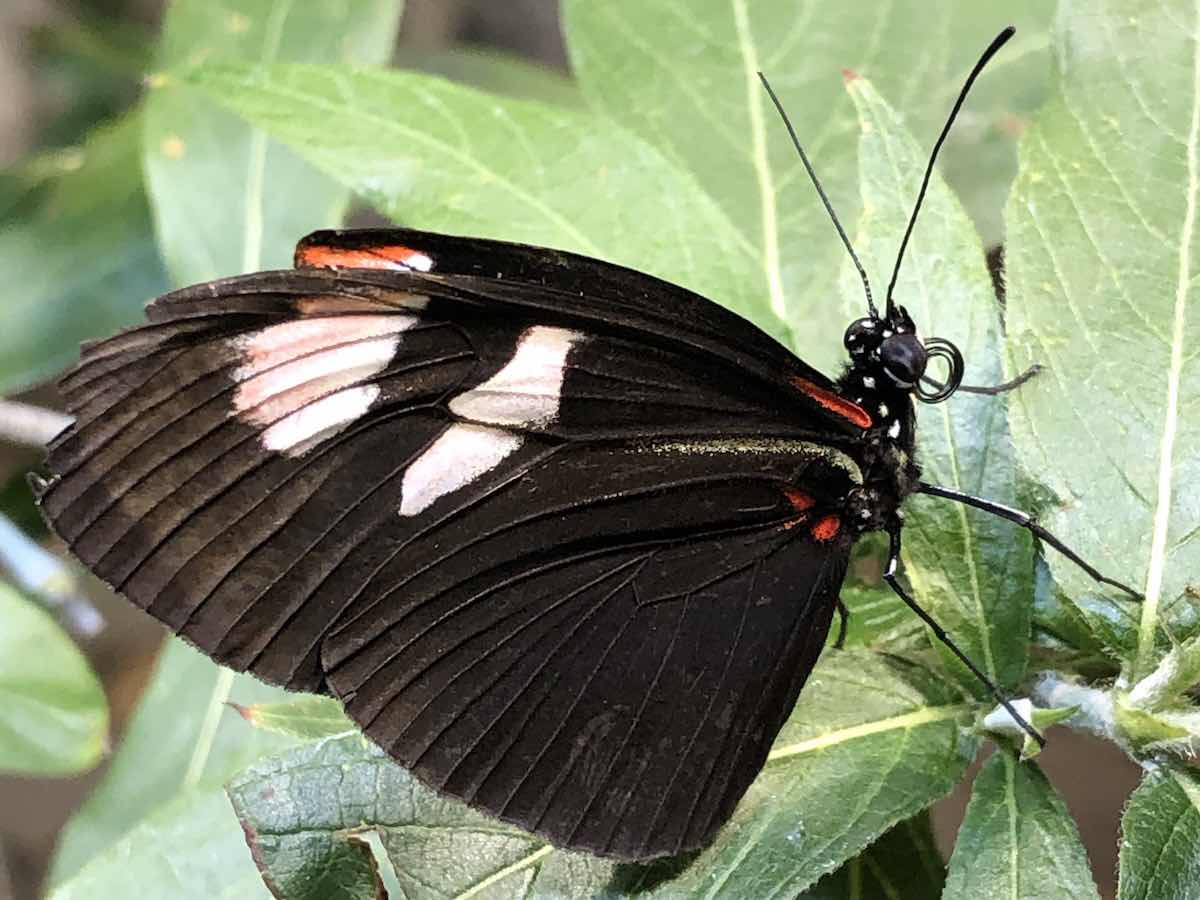
Butterflies reproduce through a life cycle of transformation, starting as caterpillars.
They don't need parents to feed them or guide them, as humans do. The success of the offspring depends on placing them in exactly the right environment.
Eggs are laid on carefully selected plants where the caterpillars have the right food source. Laying eggs on the wrong plant can doom the next generation.
During the feeding stage, caterpillars become a pupa (chrysalis), after which they experience a complete biological transformation into adult butterflies.7
In species like the emperor penguin, males incubate eggs on their feet under a flap of skin during harsh Antarctic winters. Meanwhile, the females go in search of food and later return with the food for the chick.
The male may fast for months, relying on stored body fat to survive. When the female returns, she regurgitates food for the chick.
Each female returns to the same male she had mated with to share in chick-rearing.
This shared effort is essential in such a harsh environment, since reproductive success is dependent on partnership and endurance.8
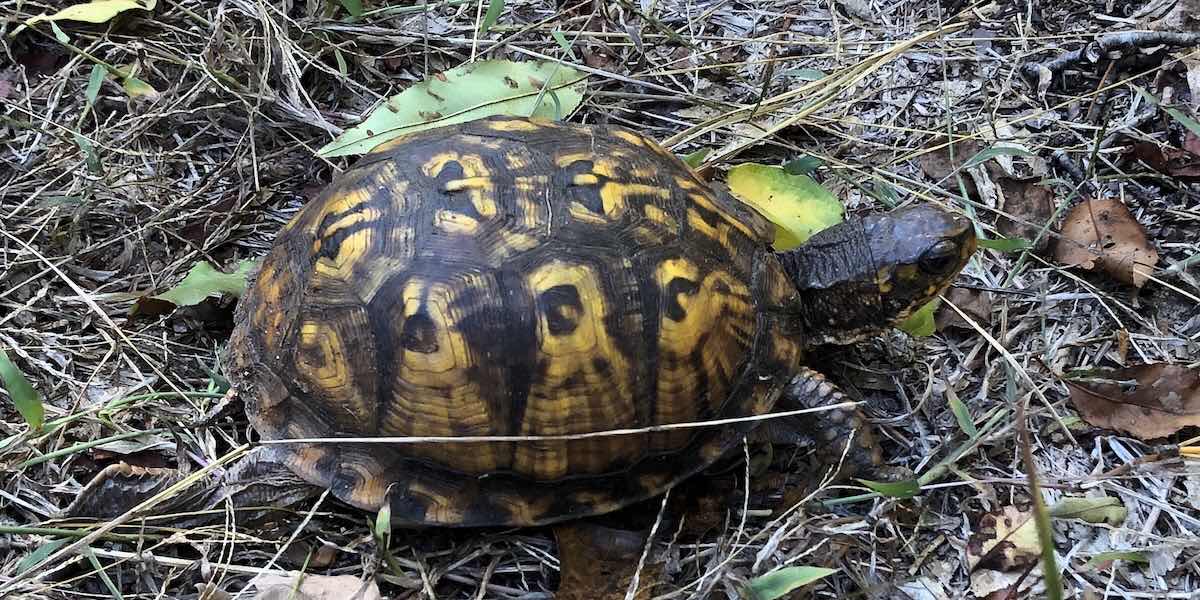
I had a personal experience with this. As an avid hiker, I once arrived to join with other hikers at a parking lot near a waterway.
While we were waiting for others to arrive, we suddenly saw dozens of baby turtles emerging from the sand. They began crawling across the parking lot towards the water.
We were worried that the parents laid the eggs in such a dangerous location, so we collected the babies and brought them closer to the water to allow them to continue their natural tendency to quickly find their way to the water to avoid predators.
Why did this happen? Females return to their birthplace to lay eggs in the sand, then leave them to develop on their own. Once they emerge, the young turtles must immediately fend for themselves, racing to the ocean while avoiding predators.
This strategy relies on laying thousands of eggs to produce many offspring, since only a few will survive.9
I used to breed tropical fish when I was young. I had five tanks to support various fish. Zebras were the most fascinating because the adult fish would eat the eggs, or even the babies after hatching.
So, I placed three layers of marbles at the bottom of the tank where I had the pregnant females. I learned that method from a book for hobbyists. The eggs would drift down below the marbles, where the adult fish wouldn't find them.
Once I saw the females no longer look pregnant, I knew they had laid the eggs, and I moved them into another tank. So when the eggs hatched and the babies swam around, there were no adults that would eat them.
That was my experience, with a lesson in the survival of fish merely by the numbers. They lay thousands of eggs to ensure a reasonable number survive hatching and grow into adulthood.
The variety of childbirth in the animal kingdom reveals one interesting fact: there is no single “right” way to reproduce.
Each strategy is a result of the environment, survival pressures, and evolutionary history. As we see from these examples, it can take astonishingly different ways to be born into a life worth living.
Was this article helpful?