
For many years, my left hand often became numb, and I even woke up occasionally with my hand quite limp in the morning. However, that soon dissipated after I got out of bed and I could move my hand again.
A neurologist recommended a wrist brace I could buy in a drugstore without a prescription. It seemed to help, but only when I slept on my back with a pillow under my head.
After several years of the condition worsening, my doctor sent me to a hand specialist. He did a nerve conduction study. That test measured how fast the impulses passed through my median nerve to my brain by sending electrical impulses through my nerves.1
According to the doctor, the results of that study indicated I had carpal tunnel syndrome in my left hand and that I should have surgery to fix it before it got worse.
I eventually had carpal tunnel surgery, but later was diagnosed with herniated discs in my neck (Cervical Radiculopathy). My doctor admitted that's what caused my hand to get numb.
Over 70% of patients are incorrectly diagnosed, according to Daniel Miller, a specialist in disability management and workers’ compensation managed care.2
Mr. Miller explains that surgeons tend to treat the case as if only one nerve is involved, which is extremely rare. Many other medical conditions can be associated with Carpal Tunnel Syndrome. In my case, it turned out to be a cervical condition in my neck.
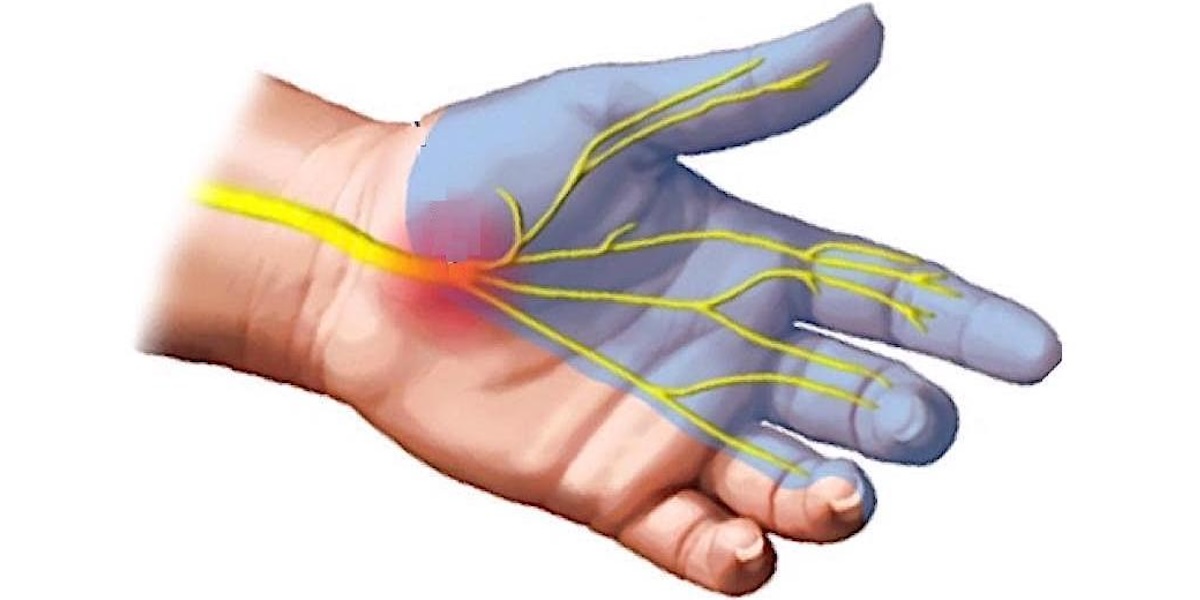
The median nerve goes from the hand to the brain by passing through the carpal tunnel in the wrist.
When the ligaments around the wrist are inflamed from stress, they squeeze the carpal tunnel. That pressure disturbs the nerves, causing numbness and pain.
I learned later that many other health conditions could mimic Carpal Tunnel Syndrome, and I'll talk about that later in this article.
I never had pain, but my hand often would get numb. My doctor said that if I didn't have it fixed, the nerves might die a little each time my hand got numb, and eventually, they may never recover.
That convinced me. So I had the surgery. It involved making a small incision and cutting the ligament that was putting pressure on the carpal tunnel.
The surgery was done as an outpatient procedure in the hospital. But since I was put to sleep, they required that someone drive me home afterward.
I was sent home with a specially designed large pillow that I used to prop my hand up while I slept. I had to sleep on my back for a week with my hand on top of that pillow.
Besides that, I was back to normal immediately and went about my daily routines. Luckily, I am right-handed, and since the surgery was with my left hand, it didn't interfere with my ability to continue doing everything.
A few weeks later, I had the stitches removed, and everything was fine. It couldn't have gone any better or have been any easier. The numbness occurred very rarely after the surgery.
However, almost two years later, I started having numbness quite regularly in the middle of the night. My doctor mentioned that carpal tunnel could reoccur if I continued to irritate my wrist, but I never really knew what I had done to aggravate it.
Yes, I indeed type a lot. I use my right hand to control the mouse, which puts pressure on the wrist while holding it in an unusual way. However, it's my left hand that had the problem!
Almost two years after the surgery, something else happened that changed the entire diagnosis! I injured my shoulder and had pain due to a torn rotator cuff.
Not knowing what was causing the pain, my doctor sent me to an orthopedist who explained that nerve compression in the neck could cause radiating symptoms into the shoulder. So to make a proper diagnosis, he ordered an MRI of my cervical spine, which is the top of the spine in the neck.
The MRI showed that I had three herniated discs! That is also known as prolapsed or slipped discs.3
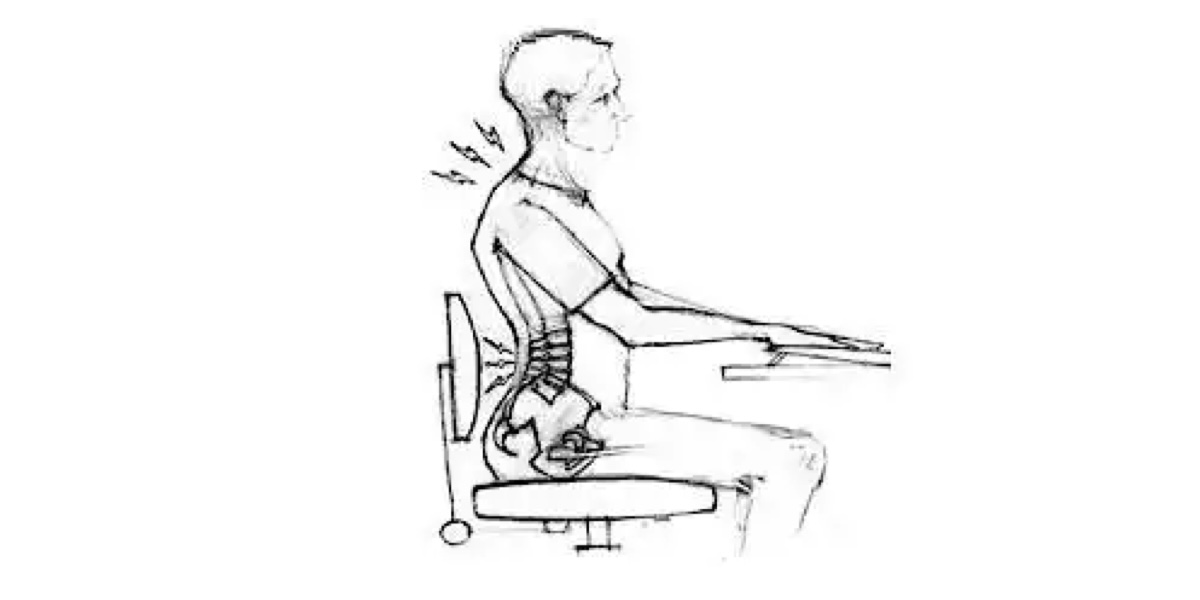
That might have been caused by years of working at the computer, reading on the screen while leaning forward, and bending my head up. Not to mention crimping the phone between my neck and shoulder when I talked with clients.
When my family doctor read the clinical report of the MRI, he told me the nerves in my neck that the herniated discs were pressing against might have caused my hand to get numb.
He said it may never have been the carpal tunnel causing the problem because a herniated disc in the cervical spine’s C6 or C7 nerve roots can pinch the nerves, specifically those leading to the median nerve that passes through the carpal tunnel. But my hand doctor never examined that.
It’s a condition known as Cervical Radiculopathy. WebMD describes it as pain or loss of sensation along the nerve path into the arm and hand caused by compressed cervical vertebrae.4
Well, that explains why the numbness started reoccurring after the surgery.
I asked my doctor why it got better initially if my neck was causing the problem. He asked me if I had been sleeping differently since then. Yes indeed!
I slept with a huge pillow they gave me after the surgery to hold my hand up while sleeping. That got me accustomed to sleeping on my back, and I continued sleeping that way ever since.
So sleeping on my back with my head on a decent pillow kept my neck in the proper position without putting stress on my cervical spine. And that kept the nerves in my neck from being squashed by the herniated discs. In addition, it probably helped keep the condition from getting worse.
My doctor said that sleeping that way, with the proper use of the pillow under my head, might eventually allow the discs in my neck to move back into position. I can feel that this is happening since I never have numbness in my hand when I am kind to my neck.
If a doctor only considers the problem to be associated with their specialty, they may not make a correct diagnosis. Only a comprehensive neurological evaluation will help determine the actual cause of numbness in one's hand.
My hand doctor never considered that my hand numbness might be related to a herniated disc in my cervical spine.
I learned from that experience that one should not trust a specialist's opinion without having a general doctor review the case. So having all the reports sent to your primary doctor is helpful. Then they can analyze the entire situation and recommend other possibilities.
The following lists show how confusing the situation can be for proper diagnosis. This list is from the same article by Mr. Miller that I mentioned earlier and linked in the references.2
The problem is that the herniated discs push against the spinal cord, and the pressure can interfere with the nerves running through the spine. Therefore, it should be treated to avoid further damage.
Treatment is sometimes as simple as changing behavior. Examples of behavior changes include modifying my sitting position and sleeping with correctly sized pillows under my head.
I needed to raise my office chair (it's adjustable) and lower the monitor, so I didn’t bend my neck as I looked at the computer screen. That helped correct my sitting posture so I didn't crimp my neck. Maintaining proper posture while sitting or standing is crucial to avoid disc compression.
I have always stood erect with a good posture, but working at my computer is another thing altogether. I spent decades working on the computer without giving any thought to my cervical spine.
I also was told to sleep on my back with a pillow under my head. That helps keep my head from falling back.
My experience gave me two important lessons.
Was this meaningful to you? Tap